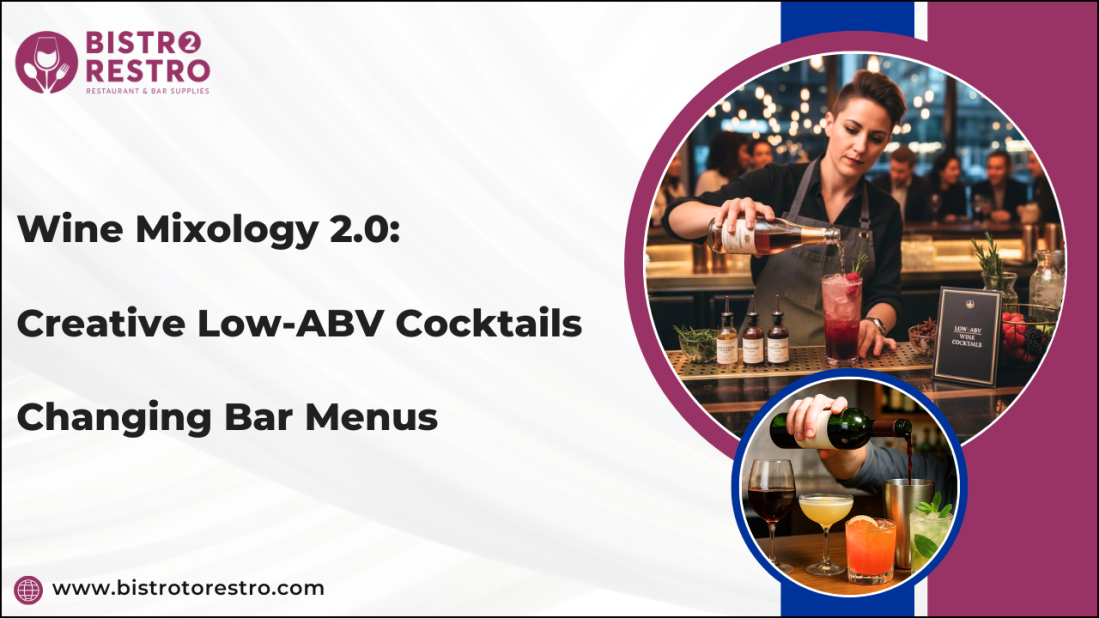
The modern beverage landscape is undergoing a significant transformation, driven by a growing consumer demand for low-alcohol-by-volume (ABV) and "sessionable" drinks that prioritize flavor and experience over potency. This shift has paved the way for a renaissance in wine-based cocktails, moving them from the periphery of bar menus to the forefront of modern mixology. Consumers are increasingly seeking lighter, more nuanced options that align with mindful drinking habits without sacrificing the craft and complexity they expect from a high-quality beverage program.
For bars and restaurants, this presents a unique opportunity to diversify their offerings, enhance profitability, and cater to a sophisticated and health-aware clientele. Wine, with its vast spectrum of flavors, aromas, and textures, is proving to be the perfect medium for this new era of creative, low-ABV cocktail development.
What Is Wine Mixology 2.0?
This new wave of wine-based cocktails represents a sophisticated evolution from the simple wine spritzers and coolers of the past into the realm of true craft mixology. It involves applying the same principles of balance, technique, and quality ingredients used in spirit-forward cocktails to a wine base, resulting in drinks with remarkable depth and character.
Mixologists are deconstructing classic cocktail recipes and rebuilding them around the unique profiles of different wine varietals. This movement is heavily influenced by global cocktail trends, borrowing techniques like infusions, clarification, and the use of artisanal bitters and syrups.
Bars are embracing wine as a versatile and cost-effective substitute for traditional base spirits like vodka or gin, allowing them to create complex, aromatic, and refreshing cocktails that are naturally lower in alcohol.
This approach allows a bartender to showcase the terroir and character of a specific wine while framing it within a balanced and innovative mixed drink.
Why Low-ABV Wine Cocktails Are Gaining Popularity
The surge in popularity for low-ABV wine cocktails is rooted in a confluence of cultural shifts, economic advantages for businesses, and the inherent creative potential of wine as an ingredient.
These drinks satisfy a modern consumer demand for moderation while offering bar programs a new avenue for profitability and innovation.
The movement is propelled by the rise of health-conscious drinking habits and a broader "moderation culture." Consumers are actively seeking ways to socialize and enjoy a night out without the effects of high-proof alcohol, and sessionable wine cocktails provide an elegant solution.
For bars and restaurants, wine is often a more cost-effective ingredient per ounce compared to premium spirits, which translates to healthier profit margins on cocktails without sacrificing perceived value.
Key Wine Styles Used in Modern Low-ABV Cocktails
Each wine style plays a distinct functional role in Low-ABV cocktails—adding acidity, aromatics, sweetness, texture, or effervescence.
Wine Style | Details/Characteristics |
Sparkling wines | Prosecco, Cava, and Champagne add effervescence; Prosecco brings bright apple & melon notes for fruity spritzes; Cava adds earthy citrus-pith structure for herbal/savory cocktails. |
Rose wines | Versatile year-round base with red berries, citrus, and floral & mineral notes; dry Provençal rose pairs with grapefruit, rhubarb, and elderflower; bold New World rosé stands up to hibiscus, ginger, and chili; visually appealing for modern cocktail aesthetics. |
Fortified wines | Vermouth, sherry, and port offer complexity with moderate ABV; dry vermouth adds botanical structure; sweet vermouth adds vanilla, spice, and dark fruit; sherry ranges from crisp/savory (Fino, Manzanilla) to rich/nutty (Amontillado, Oloroso); and ruby port is ideal for sangrias/cobblers with ripe berry spice notes. |
Aromatic whites | Sauvignon Blanc, Riesling, and Gewürztraminer offer intense aromatics; NZ Sauvignon Blanc provides acidity & tropical notes that reduce the need for citrus; off-dry Riesling balances sweetness, acidity & minerality for stone fruit/ginger pairings; and Gewürztraminer’s lychee & rose elevate floral-forward cocktails. |
Find out the Top 10 Gin Cocktails to Inspire Your Next Sip
Signature Low-ABV Wine Cocktails Emerging on Bar Menus
Low-ABV wine cocktails are gaining momentum in modern bars as bartenders explore wine’s versatility. These drinks are crafted to be refreshing, balanced, and approachable, making them perfect for guests who seek flavor without high alcohol content.
Aperitivo-style cocktails: Inspired by Italian aperitivo culture; includes spritz variations like Cynar Spritz, St-Germain Spritz, and modern takes on the Americano using different vermouths or red bitters.
Wine-based highballs: Highballs built with wine and a carbonated mixer. Examples include Porto Tonico (white port + tonic), dry vermouth with elderflower tonic, or Sauvignon Blanc with soda and grapefruit bitters.
Wine sangrias with modern twists: Elevated sangrias using quality wines and advanced flavor techniques. Examples include Albarino and chamomile honey white sangria and rosé sangria with basil, berries, and bitters.
Dessert-inspired low-ABV cocktails: Sweet, lighter dessert drinks like Cream Sherry Cobbler, chilled tawny port with orange peel, or Moscato d'Asti with pear nectar or raspberry liqueur.
Techniques Elevating Wine Mixology 2.0
The evolution of wine cocktails from simple mixes to craft creations is largely due to the application of advanced mixology techniques. These methods are used to enhance, concentrate, or transform the flavors of the wine and other ingredients, resulting in a more polished and integrated final product.
Infusions & macerations
Infusing wines with external flavors is one of the most effective ways to create a unique cocktail base. This can be as simple as letting a bottle of dry white wine rest with fresh herbs like thyme or rosemary for a few hours.
More complex infusions might involve using sous vide to gently infuse a rose with botanicals like hibiscus and pink peppercorn.
Carbonation techniques
While sparkling wine is a straightforward way to add fizz, some bars are taking carbonation to the next level.
By using a soda siphon or a pressurized carbonation system (like a Perlini shaker or a keg system), bartenders can force-carbonate an entire cocktail.
Clarification & fat-washing (low-ABV variant)
Advanced techniques once reserved for high-end cocktail bars are being adapted for wine-based drinks. Milk-washing, a form of clarification, can be used to strip tannins and color from a wine or cocktail, resulting in a silky-smooth texture and a crystal-clear appearance.
Explore more about 4D Sensory Cocktails That Wow Your Guests
How Bars Benefit From Adding Low-ABV Wine Cocktails
Integrating a robust low-ABV wine cocktail program offers numerous strategic advantages for any bar or restaurant. It is a forward-thinking move that responds to market demands while simultaneously improving operational efficiency and profitability.
Financial benefits: Wine and vermouth are generally less expensive per ounce than premium spirits, allowing attractive menu pricing while maintaining or increasing profit margins.
Operational efficiency: Low-ABV wine cocktails are simpler and faster to build than complex, multi-spirit drinks, reducing ticket times during busy service periods and enabling bartenders to serve more guests without compromising quality.
Market demand: A well-executed low-ABV menu appeals to health-conscious millennials, "sober curious" individuals, and casual drinkers who may be intimidated by spirit-heavy menus.
Versatile revenue opportunities: These approachable and flavorful cocktails suit brunch, happy hour, and all-day dining, extending the hours during which a bar can generate beverage revenue.
Wine Mixology 2.0 is more than a fleeting trend; it represents a fundamental and exciting evolution in the beverage industry. By leveraging the immense diversity and flavor potential of wine, bartenders are crafting innovative, sophisticated, and delicious low-ABV cocktails that are reshaping bar menus across the country. As consumer tastes continue to evolve toward more mindful and flavor-forward choices, the art of the low-ABV wine cocktail is poised to become an indispensable element of modern hospitality. BistroToRestro offers high-quality restaurant and bar supplies, including beer accessories, liquor accessories, serveware, and wine accessories from top brands.
References:
https://www.cdc.gov/alcohol/about-alcohol-use/moderate-alcohol-use.html
FAQs
Can low-ABV wine cocktails be batched for large events?
Yes. Low-ABV wine cocktails are ideal for batching because wine blends consistently, reduces oxidation risk when mixed with stabilizers, and maintains flavor well when chilled.
Do low-ABV wine cocktails require special glassware?
Not necessarily. Standard wine glasses, stemless glasses, and highball glasses all work depending on the cocktail style. Bars typically choose glassware that enhances aroma and presentation.