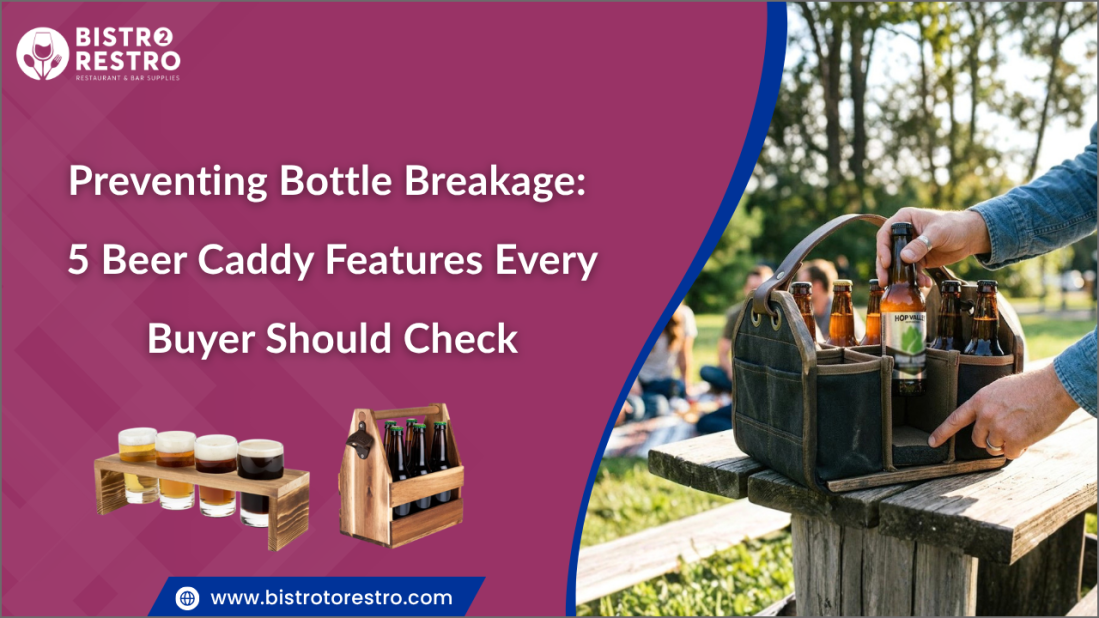
Transporting beer bottles safely can be challenging, especially when fragile glass containers are exposed to movement, impact, and improper handling. A single broken bottle can lead to product loss, safety hazards, and unnecessary cleanup costs. This is why choosing the right beer caddy is essential for breweries, retailers, distributors, and consumers alike.
Modern beer caddies are designed with features that help secure bottles, minimize shifting, and withstand the demands of transportation and storage. However, not all caddies offer the same level of protection. Understanding the key features that contribute to bottle safety can help buyers make a more informed decision. In this guide, we'll explore five important beer caddy features that can significantly reduce the risk of bottle breakage.
Why Do Beer Bottles Break During Transport and Storage
Beer bottle breakage is a common challenge during transport and storage, especially when bottles are not properly secured. Factors such as excessive movement, impact, improper handling, and inadequate packaging can increase the risk of damaged bottles. Understanding the most common causes of bottle breakage can help buyers choose a beer caddy with the right protective features.
Excessive Movement: When beer bottles shift inside a carrier during transportation, they can collide with each other or the sides of the container. This repeated movement increases the likelihood of cracks, chips, and complete bottle breakage, making bottle stability a critical consideration.
Lack of Bottle Separation: Bottles stored without proper dividers often come into direct contact with one another. Even minor vibrations during transport can cause glass-to-glass impact, resulting in damaged bottles and product loss.
Weak Carrier Construction: A poorly designed beer caddy may bend, warp, or fail under the weight of multiple bottles. Insufficient structural strength reduces protection and increases the chances of bottles falling or breaking during handling.
Accidental Drops: Beer bottles are vulnerable to damage when carriers are dropped or mishandled. Without shock-absorbing materials or a secure carrying design, even a short fall can lead to significant bottle breakage.
Improper Storage Conditions: Storing beer bottles on unstable surfaces or in overcrowded areas can create pressure points and increase the risk of accidental impacts. Secure storage solutions help minimize these hazards and keep bottles protected.
Frequent Handling: Bottles that are repeatedly loaded, unloaded, and moved between locations face a higher risk of damage. A durable beer caddy with ergonomic handling features can reduce strain and help prevent accidents throughout the transport process.
Looking for dependable solutions for your restaurant or beverage business? BistroToRestro provides quality products designed to simplify daily operations while helping protect your investments. Our extensive selection of foodservice and hospitality supplies ensures you have the right tools to keep your business running smoothly and efficiently.
What Material Features Make a Beer Caddy More Durable
The materials used in a beer caddy directly affect its durability, performance, and ability to protect bottles during transport. Understanding the key material features can help buyers select a beer caddy that offers long-lasting reliability and better protection against bottle breakage.
Material Feature | Why It Matters | How It Protects Beer Bottles |
Impact Resistance | Absorbs shocks, bumps, and vibrations during transport | Reduces the risk of bottle cracks and breakage |
Load-Bearing Strength | Supports the weight of multiple bottles without bending | Prevents bottle instability and carrier failure |
Moisture Resistance | Resists damage from water, condensation, and spills | Maintains the caddy's structural integrity over time |
Wear Resistance | Withstands frequent handling, transport, and storage | Ensures consistent bottle protection during repeated use |
Reinforced Construction | Strengthens key stress points such as corners and edges | Provides added durability and impact protection |
Long-Term Durability | Maintains performance over an extended service life | Reduces replacement needs and protects bottles consistently |
When evaluating a beer caddy, focusing on these material features can help ensure better bottle protection and a longer product lifespan. Investing in a durable, well-constructed beer caddy not only minimizes the risk of breakage but also provides greater value over time.
Explore theguide to beer accessories: growlers, markers, buckets, and more— highlighting essential beer accessories and how to choose the right tools for serving and storage.
How Does Beer Caddy Design Help Prevent Bottle Movement and Damage?
A well-designed beer caddy does more than carry bottles—it helps keep them secure during transport and storage. Features that limit bottle movement can significantly reduce the risk of collisions, tipping, and breakage. Understanding these design elements can help buyers choose a beer caddy that offers better bottle protection.
Bottle Dividers: Built-in dividers create separate compartments for each bottle, preventing glass-to-glass contact and reducing the chance of breakage.
Secure Bottle Fit: A properly sized beer caddy keeps bottles firmly in place, minimizing unnecessary movement during transport.
Stable Base: A strong, balanced base helps prevent the carrier from tipping over and keeps bottles upright during handling.
Protective Side Walls: Raised side walls provide additional support and help protect bottles from external impacts.
Balanced Weight Distribution: An effective design distributes bottle weight evenly, improving stability and reducing stress on the carrier.
Compact Structure: A compact beer caddy design limits empty space, helping prevent bottles from shifting and colliding while being transported.
Which Safety and Convenience Features Should Buyers Look For
Beyond durability and design, certain safety and convenience features can make a beer caddy easier to use while providing better bottle protection. These features help improve handling, reduce accidents, and enhance the overall user experience.
Comfortable Handles: Ergonomic handles provide a secure grip, making it easier to carry multiple beer bottles safely.
Non-Slip Design: Non-slip surfaces or grips help prevent accidental drops, especially when handling bottles in busy environments.
Lightweight Construction: A lightweight beer caddy is easier to transport without compromising strength or bottle protection.
Easy Storage: Stackable or compact designs help save storage space and improve organization when the caddy is not in use.
Secure Bottle Support: Features that keep bottles upright and stable reduce movement and minimize the risk of breakage.
Easy Maintenance: Materials that are simple to clean and maintain help keep the beer caddy in good condition for long-term use.
Watch the video below onhow to choose the right beer bucket for high-volume bar service, covering key features, durability, and tips for selecting the best beer bucket for busy bar environments.
Summary: How to Choose a Beer Caddy That Keeps Bottles Safe
Choosing the right beer caddy is essential for reducing bottle breakage during transport and storage. By focusing on durable materials, protective design features, and user-friendly safety elements, buyers can ensure better bottle security and long-term reliability. A well-designed beer caddy not only protects valuable products but also improves handling efficiency and overall convenience.
Key Takeaways
Select a beer caddy made from durable, impact-resistant materials for enhanced bottle protection.
Look for strong load-bearing construction that can safely support multiple bottles.
Choose designs with bottle dividers to prevent glass-to-glass contact and movement.
Ensure the beer caddy has a stable base and protective side walls for added security.
Prioritize safety features such as ergonomic handles and non-slip grips for easier handling.
Invest in a high-quality beer caddy that offers long-term durability and reliable performance.
FAQs
What is the most important feature to look for in a beer caddy?
The most important feature is bottle stability. A beer caddy with secure bottle compartments, dividers, and a sturdy structure helps prevent bottle movement, reducing the risk of cracks and breakage during transport.
Which materials are best for a durable beer caddy?
Durable beer caddies are typically made from high-strength materials that offer impact resistance, load-bearing capacity, and moisture resistance. These material features help extend the lifespan of the caddy while providing better protection for beer bottles.
How can a beer caddy help prevent bottle breakage?
A well-designed beer caddy prevents bottles from shifting, colliding, or tipping over during transport and storage. Features such as bottle dividers, reinforced construction, stable bases, and ergonomic handles work together to improve bottle safety and reduce breakage risks.
Disclaimer: The information provided in this article is for general informational purposes only. Beer caddy performance and bottle protection may vary depending on product design. |