Ever hosted a dinner where everything looked perfect—until it was time to serve? The confusion between serveware and tableware often goes unnoticed, yet it can quietly impact both presentation and functionality. While they may seem interchangeable at first glance, each plays a distinct role in shaping your dining experience, from how food is displayed to how guests interact with it.
Understanding this difference isn’t just for professionals, it’s essential for any host who wants to elevate their setup. In this guide, we’ll break down what serveware and tableware really mean, how they differ, and how to choose the right serveware set to create a seamless, stylish, and practical dining arrangement.
What Is Serveware: Purpose, Types, and Everyday Uses
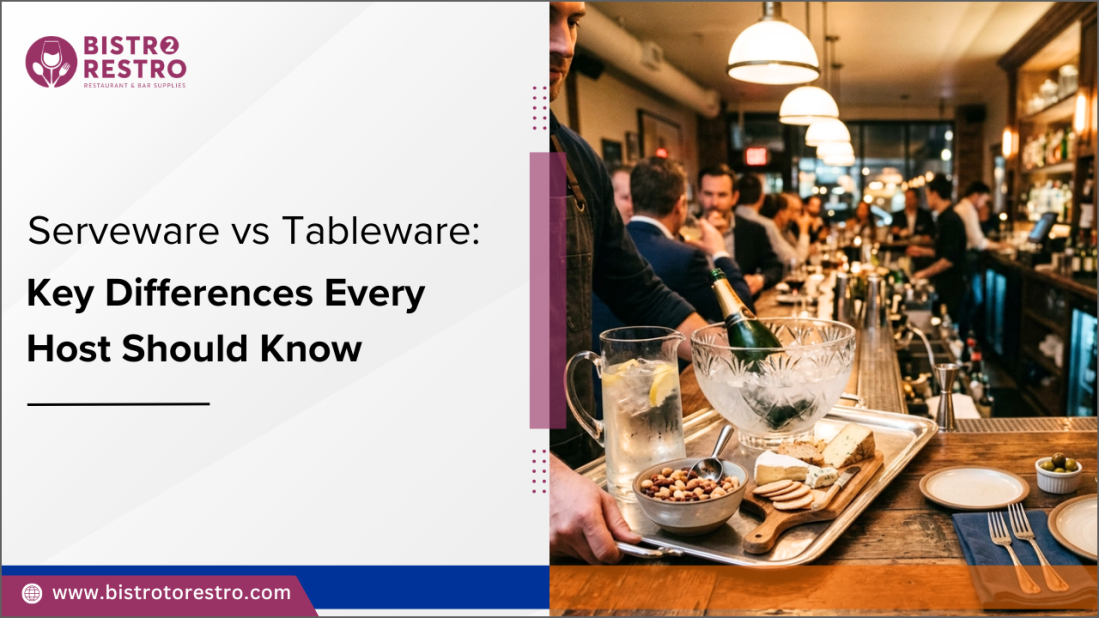
Serveware refers to the collection of items specifically designed to present, carry, and serve food and beverages from the kitchen to the dining area. Unlike everyday eating utensils, serveware focuses on functionality + presentation, helping hosts deliver meals neatly while enhancing the overall dining experience.
Purpose of Serveware
Serveware plays both a practical and aesthetic role:
Efficient serving: Makes it easier to portion and distribute food
Organization: Keeps different dishes separated and well-arranged
Presentation: Enhances how food looks on the table
Temperature control: Certain serveware helps retain heat or keep food cool
Convenience for guests: Allows self-serving in buffets or gatherings
Whether you're hosting a formal dinner or serving a casual family meal, serveware ensures the process is smooth, clean, and visually appealing.
Common Types of Serveware
Here are the most widely used serveware items you’ll find in homes and restaurants:
Serving Bowls: Used for salads, curries, pasta, and side dishes. Available in materials like ceramic, glass, and wood.
Serving Platters: Flat and wide dishes ideal for presenting appetizers, grilled items, or desserts.
Serving Spoons & Ladles: Designed for scooping and transferring food, especially liquids like soups or gravies.
Trays: Used to carry multiple items such as drinks, snacks, or meals efficiently.
Gravy Boats & Sauce Dishes: Perfect for serving sauces, dressings, and gravies without spills.
Everyday Uses of Serveware
Serveware is not limited to special occasions, it’s highly useful in daily life:
Family meals: Serving dal, rice, sabzi, or curries neatly
Hosting guests: Presenting snacks, sweets, or beverages professionally
Buffet setups: Allowing guests to serve themselves easily
Festive occasions: Enhancing table aesthetics during celebrations
Restaurants & catering: Ensuring efficient food service and presentation
Looking to elevate your dining experience? Shop now at BistroToRestro, where we offer thoughtfully designed serveware and durable, stylish tableware crafted for both functionality and visual appeal. Our curated collections balance practicality with modern design, helping you create a seamless and impressive table setup for every occasion.
What Is Tableware: Essentials for Dining and Presentation
Tableware refers to the items used by individuals during a meal for eating, drinking, and personal serving. Unlike serveware, which is designed for distributing food, tableware is placed directly in front of each diner and forms the foundation of any dining setup—whether casual or formal.
Purpose of Tableware
Tableware is essential for both functionality and dining aesthetics:
Eating convenience: Provides the necessary tools for consuming food comfortably
Individual portions: Ensures each person has their own set of dining items
Hygiene: Promotes clean and organized eating practices
Table presentation: Enhances the visual appeal of the dining setup
Dining structure: Defines proper placement and etiquette, especially in formal settings
Essential Types of Tableware
Here are the most widely used tableware items you’ll find in homes and restaurants:
Dinner Plates: The main plate used for serving primary meals such as rice, roti, or main courses.
Bowls: Used for soups, dals, desserts, and semi-liquid foods.
Cutlery (Flatware): Includes spoons, forks, and knives used for eating and portioning food.
Drinkware: Covers glasses, cups, and mugs used for water, juice, tea, or other beverages.
Side Plates & Accessories: Includes bread plates, dessert plates, and items like napkins or coasters that complement the dining setup.
Everyday Uses of Tableware: Tableware is a daily necessity across all dining environments:
Home meals: Structured and comfortable eating experience
Formal dining: Essential for proper etiquette and course-based meals
Restaurants: Standardized presentation and service
Festive gatherings: Enhance the visual appeal of the table
Quick meals: Even simple meals feel organized and complete
Serveware vs Tableware: Key Differences Explained Clearly
Although serveware and tableware are both essential parts of dining, they serve very different functions in meal presentation and dining organization. Serveware is mainly used for presenting and distributing food, while tableware is designed for individual eating and drinking. Understanding the differences between the two helps create a more practical, organized, and visually balanced dining setup for homes, restaurants, and special occasions.
Feature | Serveware | Tableware |
Main Function | Used to serve and present food to multiple people | Used by individuals for eating and drinking |
Placement on Table | Usually placed at the center of the dining table | Placed in front of each diner |
Usage Style | Shared among guests during meals | Personal use for each individual |
Focus | Food presentation and serving convenience | Comfortable dining and meal consumption |
Portion Handling | Holds larger quantities for group serving | Holds individual meal portions |
Common Dining Situations | Buffets, family-style meals, catering setups | Daily meals, formal dining, restaurant seating |
Interaction Type | Guests serve themselves or are served | Directly used throughout the meal |
Design Priority | Combines serving efficiency with presentation | Focuses on comfort, dining etiquette, and usability |
Meal Flow Role | Helps transfer food from kitchen to table | Supports the actual eating experience |
Dining Experience Impact | Enhances food display and table coordination | Creates a structured and organized place setting |
Explore twine serveware 101: materials, types, uses & how to style them beautifully, highlighting key materials, uses, and styling tips for elegant presentations.
How to Choose the Right Serveware and Tableware for Your Needs
Choosing the right serveware and tableware isn’t just about looks—it’s about functionality, durability, and how you actually dine. The right combination ensures smooth serving, comfortable eating, and a cohesive table setup.
- Start with Your Usage Needs: Before buying anything, define how you’ll use it:
-
Daily meals: Go for durable, easy-to-clean options like stainless steel or microwave-safe ceramic
-
Hosting guests: Choose elegant serveware (platters, bowls) and coordinated tableware sets
-
Buffets or parties: Prioritize larger serving pieces and stackable, lightweight tableware
If you rarely host, investing heavily in large serveware sets may not be practical.
-
Choose the Right Materials: Materials directly impact durability, maintenance, and aesthetics:
Ceramic/Porcelain: Best for modern dining and presentation; slightly fragile but stylish
Glass: Great for a clean, minimal look; ideal for both serving and dining
Stainless Steel: Highly durable, low maintenance, perfect for everyday Indian meals
Wood/Bamboo: Ideal for serving (platters, trays), adds a natural touch
Melamine: Lightweight and budget-friendly for casual use
- Match Serveware with Tableware: A well-coordinated setup enhances visual appeal:
Keep colors and textures consistent (e.g., white plates with wooden serving boards)
Avoid mixing too many styles—it can look cluttered
Use serveware to highlight dishes, while tableware stays neutral for balance
- Consider Portion Sizes & Capacity: Choose sizes based on your household and serving style:
Small families: Medium bowls and compact trays are sufficient
Large families or guests: Invest in bigger serving bowls, multiple platters
Individual dining: Ensure plates and bowls suit your typical meal portions
Oversized or undersized items can disrupt both usability and presentation.
- Focus on Practical Features: Look for features that make everyday use easier:
Stackable designs for space-saving storage
Dishwasher-safe materials for convenience
Heat resistance for serving hot food
Non-slip or sturdy bases for safer handling
- Think About Occasion & Style: Your choice should align with your dining environment:
Casual dining: Simple, functional designs
Formal dinners: Coordinated sets with refined finishes
Festive occasions: Decorative serveware with unique textures or patterns
Check out different serveware sets for every occasion: everything you need to know, highlighting key set types and how to choose the right serveware for any event.
Conclusion: Build the Perfect Dining Setup with the Right Balance
A well-designed dining setup depends on striking the right balance between serveware and tableware. Serveware streamlines presentation and sharing, while tableware enhances each guest’s eating experience. When coordinated thoughtfully, they create a smooth flow and a visually cohesive table. Investing in the right mix ensures your meals feel organized, functional, and effortlessly inviting.
Key Takeaways:
Serveware is used for presenting and serving food, while tableware is for individual dining
Both play distinct yet complementary roles in the overall dining experience
Choosing matching styles improves table aesthetics and visual harmony
Functional selection helps with better portioning, serving, and ease of use
The right combination enhances both everyday meals and special occasions
Investing in quality pieces ensures durability and long-term usability
FAQs
Is cutlery considered tableware or serveware?
Cutlery is part of tableware. It includes items like spoons, forks, and knives used by individuals for eating.
Do I need separate serveware for hosting guests?
Yes, separate serveware helps in better presentation and makes serving food easier and more organized when hosting.
How do I match serveware with tableware?
Choose similar colors, materials, or styles. Keeping a consistent design creates a clean and cohesive table look.
Disclaimer: This content is for informational purposes only and intended to provide general guidance on serveware and tableware. |